
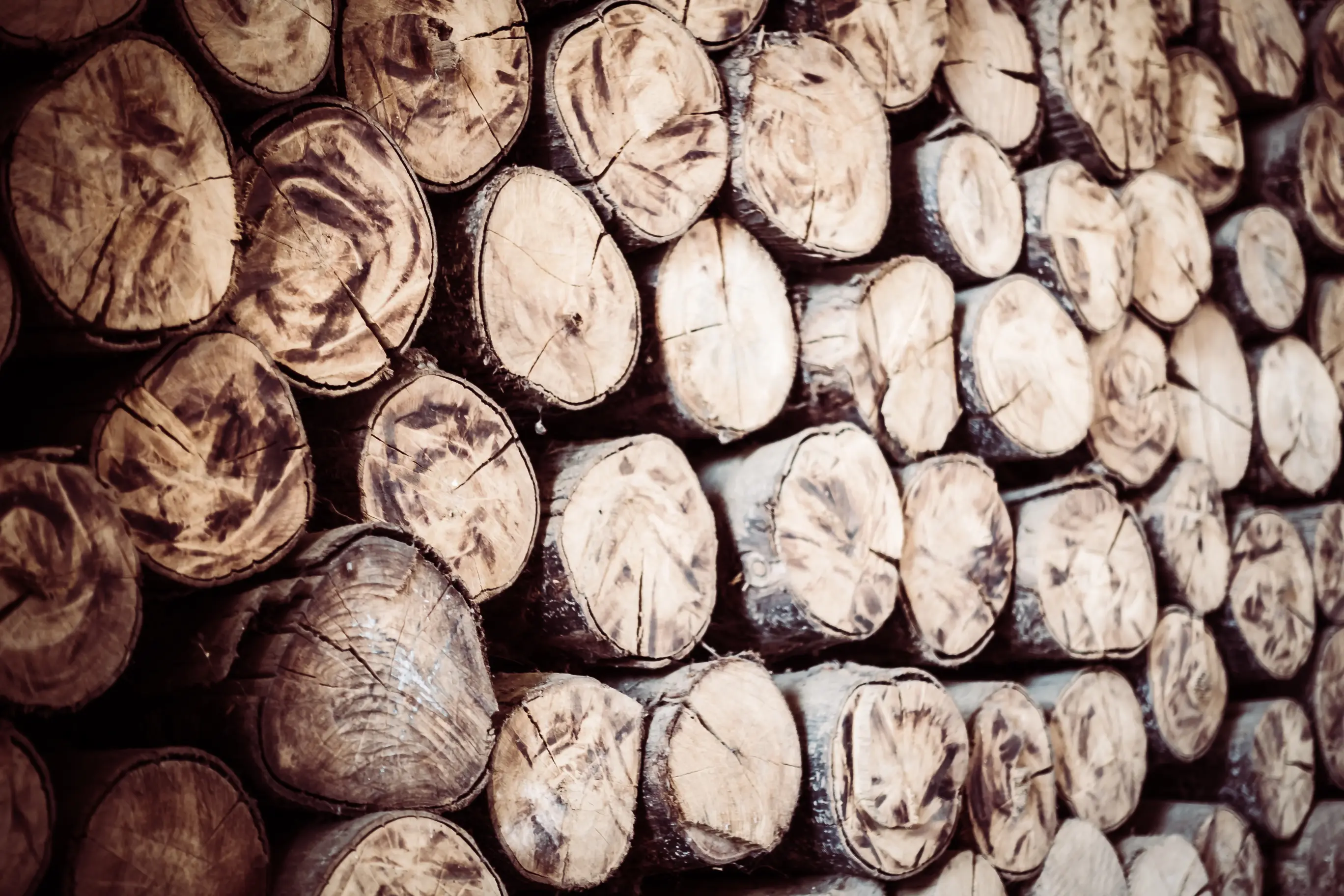
Buying Timber in Mirpur: The Short Answer
When buying timber in Mirpur, match the species to the job, buy dry and straight stock, and use a supplier who tells you exactly what you are getting. Use structural timbers such as Southern Yellow Pine, Fir Lar (Douglas fir) or Kail Lar for framing, Deodar (Diar) where the timber faces moisture, and hardwoods such as Red Oak, Ash Wood, Mahogany or Red Meranti for furniture and joinery.
Key points
- Janjua Timber Merchant supplies ten species of imported and Pakistani wood, all covered below.
- Put rot-resistant Deodar where timber is exposed, and keep Kail Lar and other softwoods dry and covered.
- Price depends on species and origin, dryness and grade, dimensions, and the size of the order.
- Choose a supplier with steady stock, clear species and grade information, a long track record and free estimates.
Why the Right Timber Matters for Your Project
Whether you are framing a house, making furniture or completing a commercial fitout, the timber you choose affects the strength, finish quality and long-term cost of the job.
Buying poorly graded, wet or wrong-species timber is a common and costly mistake. Warped frames, cracked joinery and early rot can often be traced back to a poor buying decision at the start of a project.
This guide walks through the timber we supply, what affects the price, and what separates a trustworthy supplier from one that cuts corners.
Types of Timber We Supply
Janjua Timber Merchant supplies ten species of imported and Pakistani wood. Here is an overview of each.
Structural timbers for load-bearing work
Southern Yellow Pine
An imported, strong and dense pine for structural framing, decking and heavy construction work. Its density and stiffness make it a common choice wherever load-bearing strength matters most.
Fir Lar (Douglas fir)
Imported Douglas fir for structural beams, framing and high-strength applications. It is known for a straight, consistent grain and good strength for its weight, and it performs reliably in both residential and commercial construction.
Kail Lar
A straight-grained Pakistani kail pine for rafters, frameworks, doors and general construction, and a best seller in our range. It is a practical choice for everyday structural work where the timber stays dry and covered.
Deodar (Diar)
A naturally aromatic, rot-resistant Pakistani cedar and the traditional choice for door frames, window frames and exposed structural elements. Use it wherever durability in damp or semi-exposed conditions matters. Our kail vs deodar comparison explains where each of these two Pakistani timbers belongs.
Hardwoods for furniture and interior joinery
Red Oak
A durable imported hardwood with a prominent open grain, used for furniture, cabinetry and interior joinery. It suits clear and stained finishes that show off the grain.
Mahogany
A classic fine-grained hardwood for high-end furniture, panelling and decorative work, chosen where the look of the wood matters as much as its strength.
Ash Wood
Hard, pale and close-grained, Ash suits furniture, flooring and decorative joinery. Its light tone fits contemporary interiors, it takes both stain and lacquer well, and it is tough enough for furniture that gets heavy use.
Red Meranti
A Malaysian hardwood known for consistent quality, used for doors, window frames and joinery where predictable, stable timber is needed.
For a closer comparison of these species for beds, tables and cabinets, see our guide to choosing furniture wood.
Specialty finishing timbers
Spelli
An African hardwood with interlocked grain and a silky finish, used for premium interior work. It is not an everyday timber: it is chosen when appearance is the priority.
Eastern White Pine
A lightweight, versatile softwood that is easy to work. It is used for interior trim, doors and light framing, and carpentry teams value it for predictable, consistent results.
What Affects Timber Pricing
Understanding the main pricing factors helps you budget accurately and spot a quote that does not add up.
- Species and origin. Imported species carry shipping costs and are affected by exchange rates, so their prices can change over time.
- Grade and dryness. Dry, graded timber usually costs more than green wood, but it performs better. Wet or unseasoned wood may look cheaper, then warp, crack or open at the joints after installation.
- Dimensions and lengths. Standard lengths are more economical than non-standard cuts, which need extra processing.
- Order size. Pricing the whole project at once gives you an accurate budget and a consistent batch of timber. Send your full list for a free estimate.
How to Choose a Timber Supplier in Mirpur
The quality of your timber supplier decides how consistent your results are from one project to the next. Here is what to look for.
Consistent stock
A reliable supplier keeps steady stock of the core species. Shortages force last-minute substitutions, a common cause of specification problems on site.
Clear grading and origin
A trustworthy merchant tells you the species, grade, dryness and origin of the timber. Be wary of unlabelled or ungraded timber at prices that look too good; the savings are rarely real.
Established track record
A merchant who has traded for decades has been tested by customers, market changes and real projects. Long-standing suppliers have reputations built on delivering what they promise.
Free estimates and project advice
A good timber supplier does more than sell wood. They help you calculate accurate quantities, compare species and avoid over-ordering or under-specifying. Request a free material estimate before committing to a purchase.
Frequently Asked Questions
Which timber is best for roof framing?
For a dry, covered roof, Kail Lar is a practical choice for rafters and frameworks. For longer spans or heavier loads, look at imported structural timbers such as Southern Yellow Pine or Fir Lar (Douglas fir).
Which wood is best for door and window frames?
Deodar (Diar), because it is a naturally rot-resistant cedar. Our guide to choosing wood for doors and windows in Azad Kashmir covers frames, door leaves and shutters.
Do you supply areas outside Mirpur?
Yes. We supply materials across Mirpur, Bhimber, Kotli and Chakswari, and serve contractors and businesses throughout Azad Kashmir.
How do I get a price for timber?
Send your material list or plans on WhatsApp or through our inquiry form. Estimates are free for any project size, and we typically reply within a few minutes during business hours.
Get Timber From Janjua Timber Merchant
Janjua Timber Merchant has supplied builders, contractors and furniture makers in Mirpur since 1981. Our range covers every species in this guide, and direct import channels and long-standing supplier relationships keep our pricing competitive. Read more about our timber merchant service in Mirpur or browse our imported wood range.
We offer free estimates on all material requirements. Whether you are framing a whole house, sourcing hardwood for a furniture workshop or pricing a single-room fitout, we will help you specify and price your material list. You can also contact us or browse all materials.
Visit us at Janjua Timber Merchant, Syed Naik Alam Shah Road, New Mirpur City, 10250, or call or WhatsApp +92-349-7677791.
Tags