
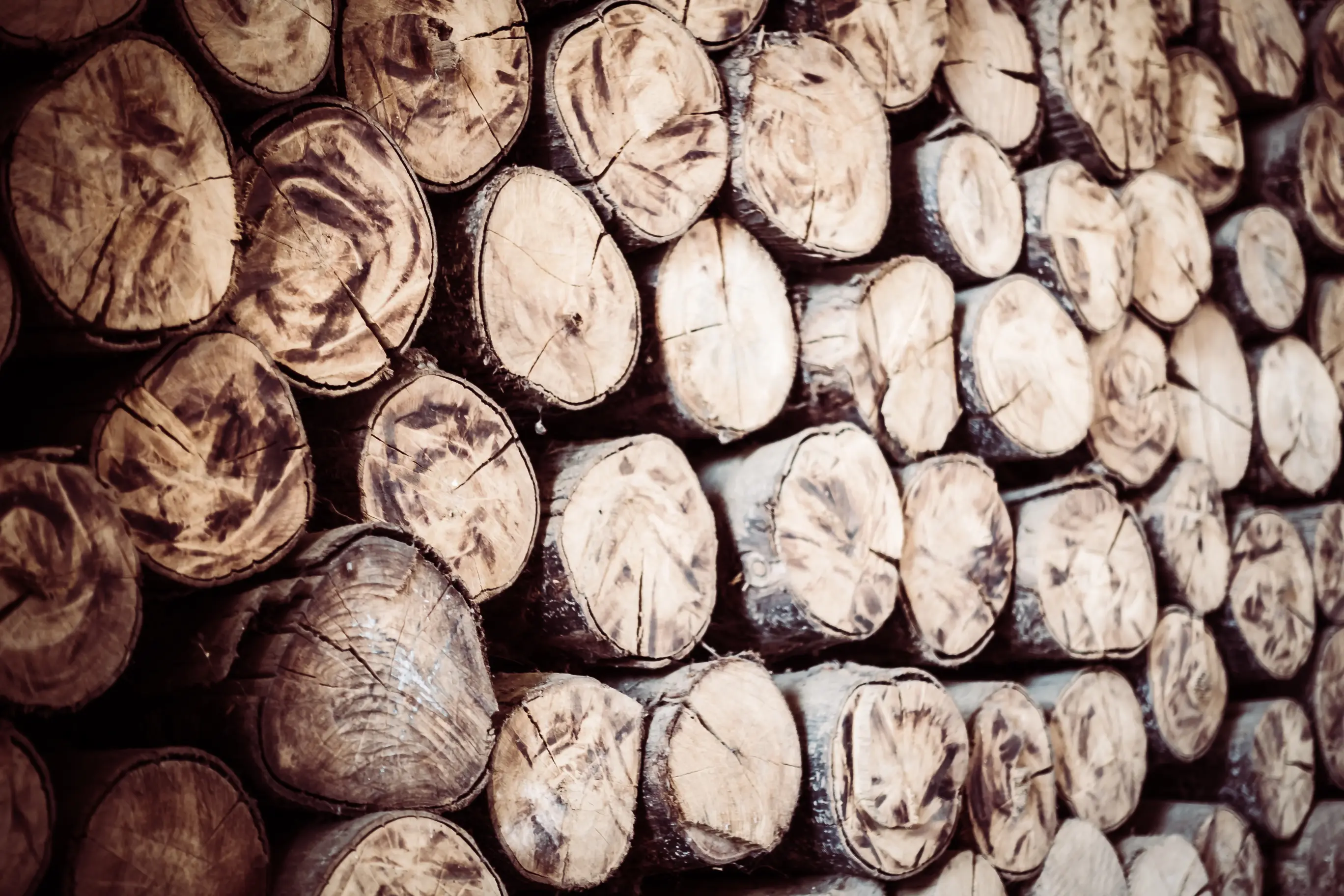
Kail vs Deodar: The Short Answer
In the Kail vs Deodar decision, use Kail Lar for rafters, frameworks and general construction, and use Deodar (Diar) where the timber will face moisture or the weather, such as door frames, window frames and exposed structural members. Kail is the practical everyday timber; Deodar is the premium, naturally rot-resistant cedar you reserve for the parts of a building that have to last the longest.
Both are Pakistani timbers, both are in our range, and many projects in Azad Kashmir use a mix of the two rather than one or the other.
Key points at a glance
- Kail Lar is a straight-grained Pakistani kail pine used for rafters, frameworks, doors and general construction. It is listed as a best seller on our materials page.
- Deodar (Diar) is a naturally aromatic, rot-resistant Pakistani cedar, listed as premium, and ideal for doors, window frames and exposed structural elements.
- Put Deodar where failure is expensive or hard to repair; use Kail where the wood stays dry and hidden.
- Buy dry, straight, correctly identified stock from a supplier who tells you exactly which species you are getting.
What Is Kail Lar?
Kail is a pine and, like most pines, a softwood: comparatively light, quick to work with hand and power tools, and easy to nail and fix. The Kail Lar we supply is straight-grained, which is exactly what you want in long members such as rafters and purlins, because a straight grain is less likely to twist or bow along its length.
Where Kail works well
- Roof rafters and frameworks that sit under a finished roof and stay dry.
- General construction such as stud framing, battens and internal structural work.
- Internal doors and joinery where the timber will be painted or polished and kept indoors.
- Budget-sensitive jobs where the whole structure does not need premium timber.
Kail's weakness is the same as most pines: left wet, unsealed or in contact with damp masonry, it is more vulnerable to decay and insect attack than a naturally durable wood. That is not a reason to avoid it, but it is a reason to keep it dry and protected.
What Is Deodar (Diar)?
Deodar is a naturally aromatic, rot-resistant Pakistani cedar, listed as premium in our range. Its natural oils give it a recognisable aroma, and its resistance to rot is why it is the traditional choice for door and window frames and for timber that is exposed to the weather.
Where Deodar earns its place
- Door frames (chaukhats) and window frames, which sit against masonry, catch rain at the sill and are expensive to replace once fixed.
- Exposed structural elements, such as beams or posts in verandas and semi-open areas.
- Main entrance doors where the owner wants a solid, long-lasting natural timber.
- Any location where you cannot easily inspect or re-treat the wood after the building is finished.
Because Deodar is a premium timber, builders usually use it selectively rather than for the entire structure.
Kail vs Deodar Side by Side
| Factor | Kail Lar | Deodar (Diar) |
|---|---|---|
| Type | Pakistani kail pine (softwood) | Pakistani cedar |
| Character | Straight-grained | Aromatic, with natural oils |
| Natural durability | Lower; keep dry and protected | Naturally rot-resistant |
| Typical uses | Rafters, frameworks, doors, general construction | Doors, window frames, exposed structural elements |
| Position on our range | Best seller | Premium |
| Best placed | Dry, covered, internal locations | Damp-prone, exposed or hard-to-replace locations |
Which Timber for Which Part of the Building?
The smartest way to settle Kail vs Deodar is not to pick a winner, but to match each timber to the job.
Roof structure
For a covered roof where the timber is kept dry, Kail Lar is the usual choice for rafters and framework. If the span is long or the load is heavy, it is worth also looking at imported structural timbers: we stock Southern Yellow Pine, a strong, dense pine for structural framing and heavy construction, and Fir Lar (Douglas fir) for beams and high-strength framing.
Door and window frames
This is where Deodar is worth paying for. Frames are fixed into masonry, exposed at the sill and the bottom of the jamb, and are one of the hardest parts of a house to replace. A rot-resistant timber here protects the whole opening. If you are comparing species for the door leaf or window shutters too, read our guide to choosing wood for doors and windows in Azad Kashmir.
Internal doors and joinery
For painted internal doors, cupboards and trims that stay indoors, Kail is often perfectly adequate. For a smooth, uniform painted finish on internal doors, many builders choose flush doors faced with door skins; see our comparison of door skin vs solid wood doors.
Verandas, porches and semi-open areas
Timber that sees sun and rain needs natural durability, a good finish and regular maintenance. Deodar is the traditional choice here. Whatever you use, seal the end grain and keep timber off direct contact with wet ground.
Buying Kail and Deodar in Mirpur: What to Check
A good species choice can still fail if the timber itself is poor. Before you commit to a quantity, check the following:
- Correct identification. Ask the supplier to confirm the species on the invoice. Deodar has a distinctive aroma when freshly cut, and if the price looks unusually low for "Deodar", ask questions.
- Straightness. Sight along each length for bow, twist and crook, especially for rafters and frame sections.
- Dryness. Timber that is still wet will shrink and move after it is fixed, opening joints and cracking finishes. Ask how the stock has been stored and let it acclimatise on site, stacked and covered, before use.
- Defects. Look for large loose knots, splits running from the ends, and signs of insect holes.
- Accurate quantities. Over-ordering ties up cash; under-ordering means a second trip and a possible mismatch in stock. Send your drawings or a list of sizes and we will prepare a free material estimate.
For a wider overview of the species we carry and how to judge a supplier, see our complete timber buying guide.
Frequently Asked Questions
Is Deodar better than Kail?
For exposed work, yes. Deodar is more naturally durable because it is a rot-resistant cedar, so it is the better choice for door frames, window frames and exposed timber. For dry, covered work such as roof frameworks, Kail Lar does the job well and keeps the premium timber for where it matters.
Can I use Kail for door frames?
You can, especially for internal frames in dry rooms, provided the wood is dry, sealed on all faces and kept away from damp masonry and floors. For external door frames and window frames, Deodar is the traditional and safer choice.
Is Kail Lar imported?
No. Kail Lar is Pakistani kail pine. Deodar (Diar) is also Pakistani. Our imported structural options include Southern Yellow Pine and Fir Lar (Douglas fir).
Do you supply Kail and Deodar outside Mirpur?
Yes. We supply materials across Mirpur, Bhimber, Kotli and Chakswari, and serve contractors and businesses throughout Azad Kashmir. Learn more about our timber merchant service in Mirpur.
Get a Free Kail and Deodar Estimate
Janjua Timber Merchant has supplied timber in Mirpur since 1981. Tell us what you are building and we will suggest where Kail and Deodar each make sense, and price the list for you. Request a free estimate, or message us on WhatsApp with your sizes and quantities.
Visit us at Janjua Timber Merchant, Syed Naik Alam Shah Road, New Mirpur City, 10250, or call or WhatsApp +92-349-7677791.
Tags